The observed problem
We document what is happening without jumping to conclusions about the cause.
Start here An initial review of your challenge
We help define your business challenge and build the right software solution. A complete system, CRM, web app, customer portal, mobile app, integration or AI-powered service. You can start without a written specification.
For business owners, IT directors and leaders responsible for digital products and processes.
The outcome of the first stage
This is not a full audit or a finished technical specification. It is a structured way to move from “something is not working” to a concrete next step.
We document what is happening without jumping to conclusions about the cause.
We identify explanations to confirm or rule out.
We identify the facts, systems and people needed to test each explanation.
We outline possible solutions, from automating a single step to building a dedicated system.
We recommend what to investigate, prototype or design next.
What we build
Once the assumptions have been tested, the right answer could be a simple integration, a standalone service or a complete business system.
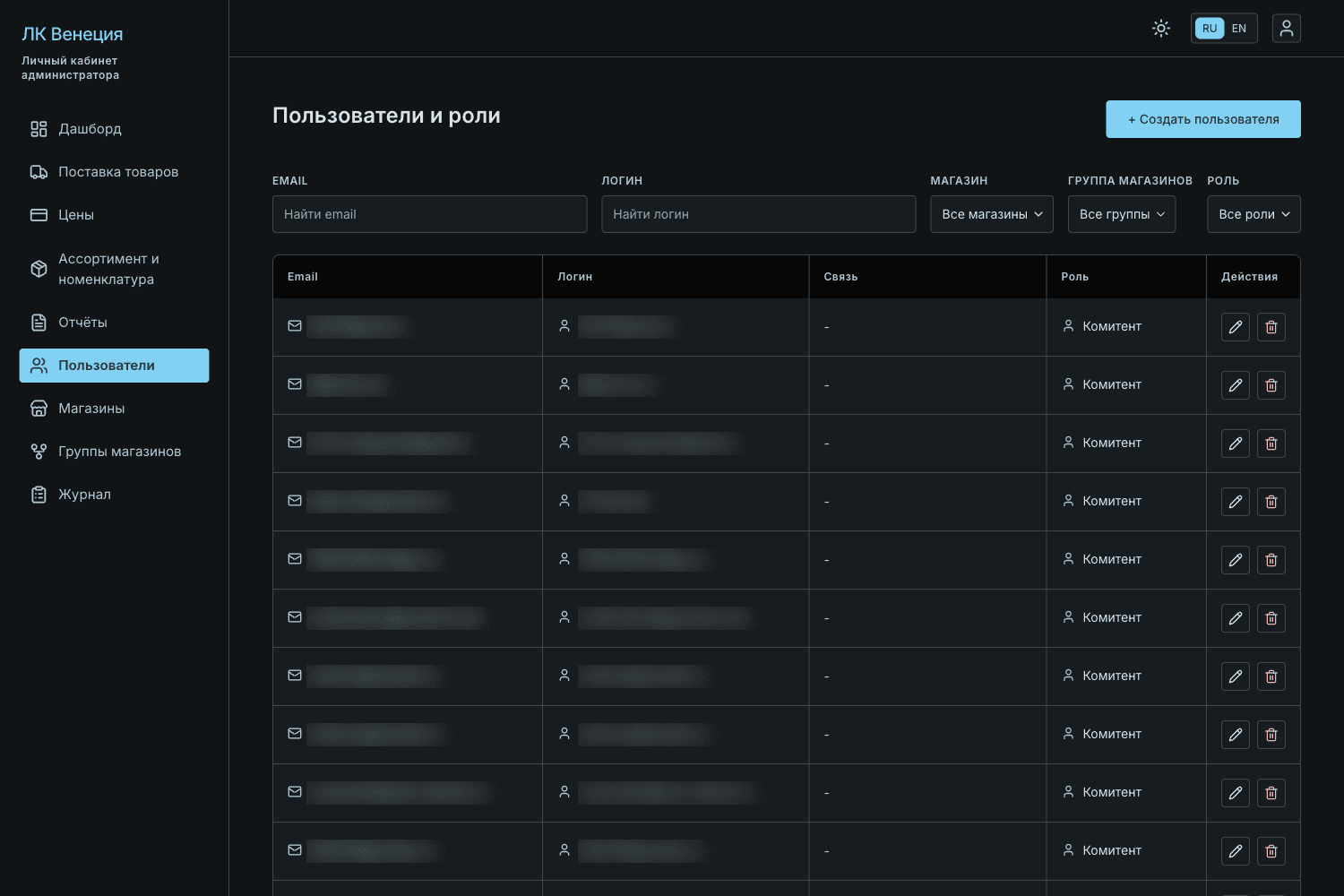
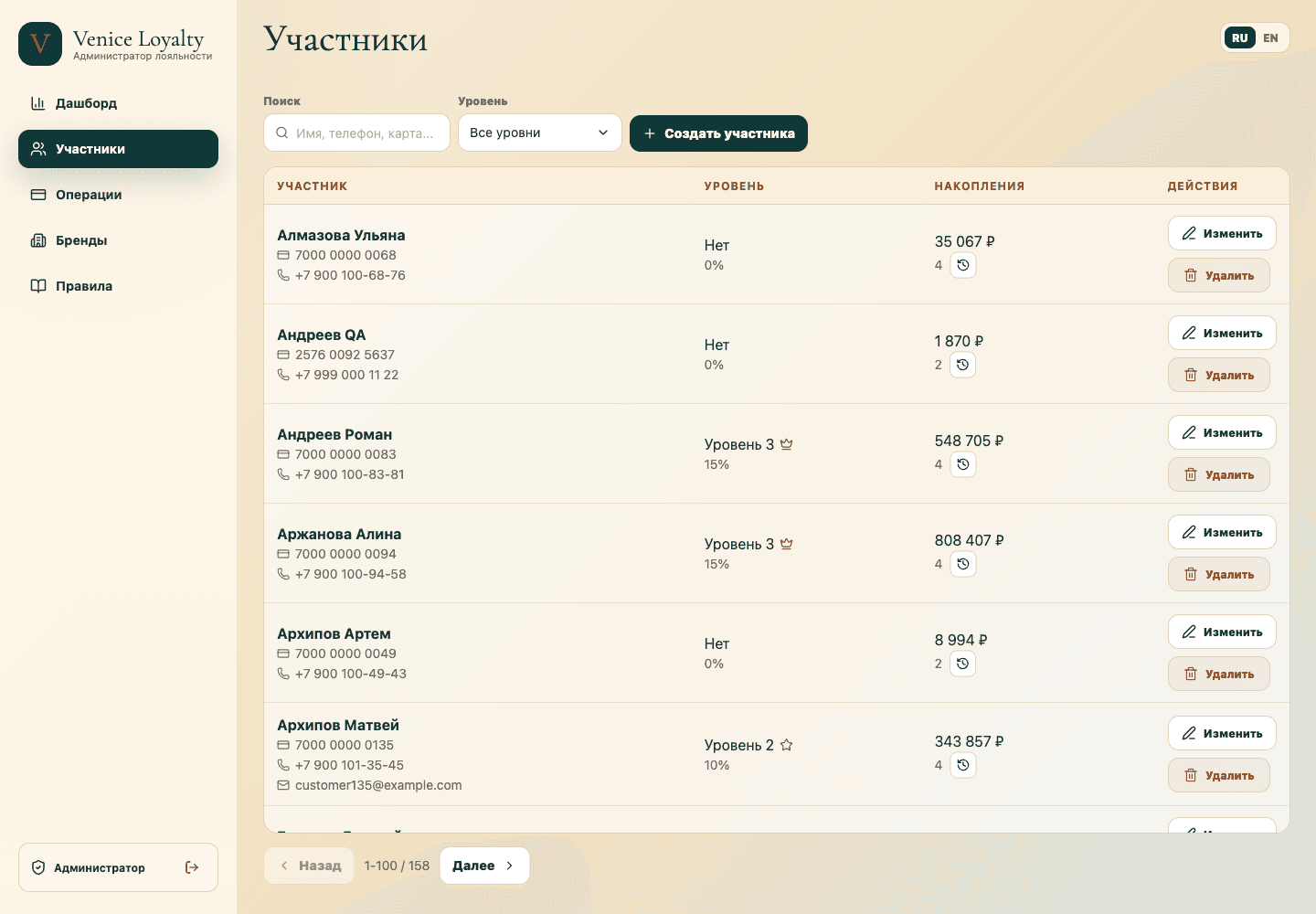
Connected systems for multiple roles, processes and data sources. CRM built around how you manage customers, deals and tasks.
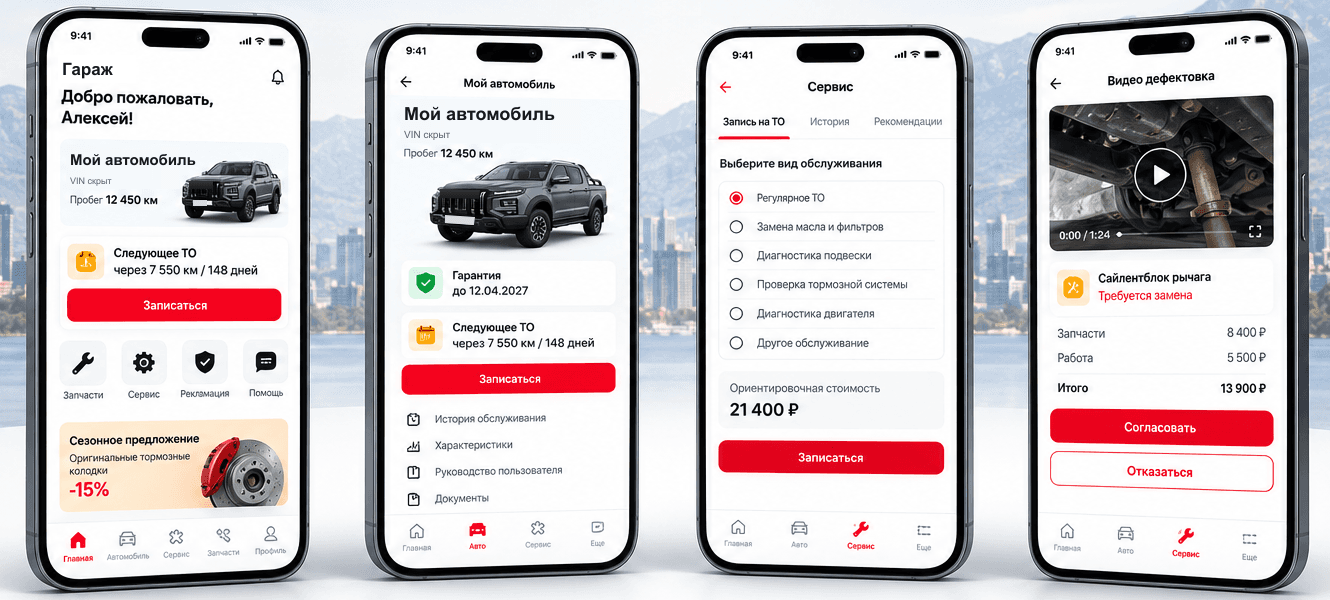
Automotive. CRM, mobile apps and portals for management, dealers, marketing teams and customers: managing enquiries and sales, booking services, supporting deals and communicating with vehicle owners.
Pharmaceuticals. CRM for field teams, visit planning, access to approved materials and document approvals.
Practical tools for employees, partners and customers.
Mobile workflows for work that happens away from a desk.
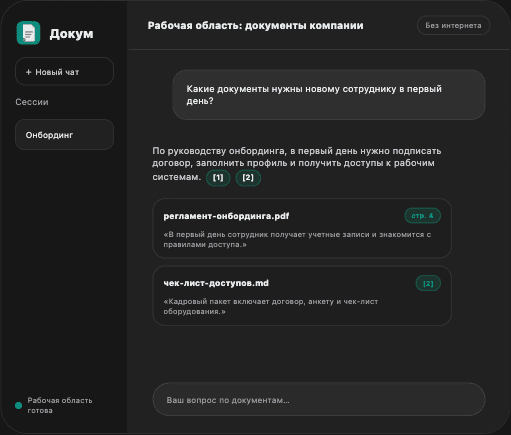
Knowledge search, document processing and AI workflows with clear controls.
Business rules, checks, approvals, notifications and data preparation.
Data exchange between internal systems, external APIs and analytics tools.
From start to finish
We start development once the workflow, scope and data are understood. After launch, we keep improving the system through real-world use.
We explore the context, people, constraints and assumptions that need testing.
We define workflows, interfaces, data, integrations and the scope of the solution.
We build the system and test its essential workflows.
We put the solution to work in your actual processes and environment.
We refine and extend the system based on how people use it.
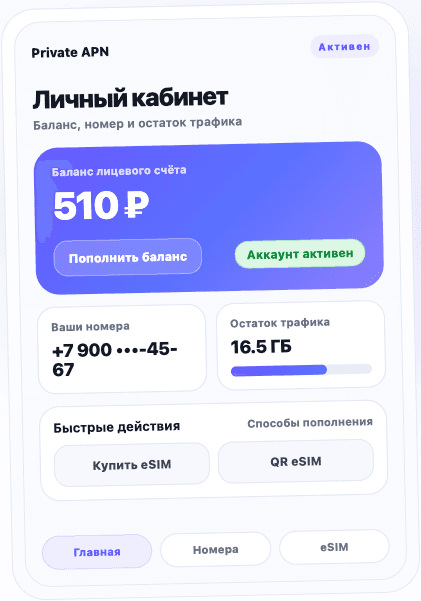
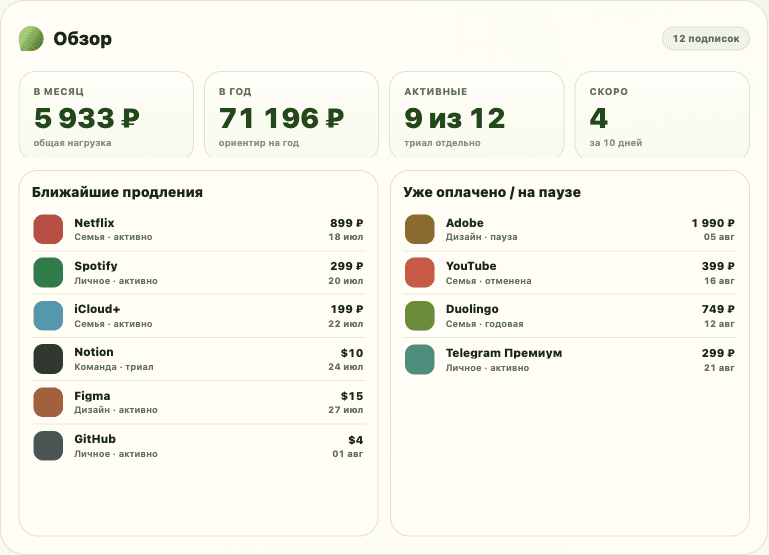
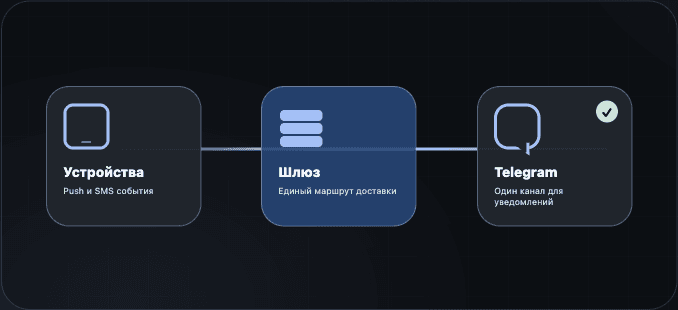
These are the projects we can show publicly. Most of our work is protected by NDAs, so its details remain between us and our clients.
FAQ
Yes. We first evaluate the current system and its constraints. If it fits the task, we can extend your CRM, portal, app or integration instead of rebuilding everything.
Briefly describe the problem, your current approach and what you want to change. Examples help, but you do not need a specification or confidential information for the first conversation.
An initial task outline, possible solutions, details to clarify and a proposed first stage. It is not a full audit or a promise of an exact quote for the whole project without further investigation.
Yes. We agree on a first useful version, gather feedback from its use and then define the scope of subsequent stages.
In many cases, the transition can be gradual: launch a separate module or start with a small group of users, then expand adoption. If data migration or a system switch is needed, we agree on the transition process and any possible interruptions in advance.
You do not need every detail at the start. We first define the task and the boundaries of the first stage, then refine requirements using prototypes and working versions. If new requests arise, we discuss their impact on scope, schedule and cost before including them in development.
Yes. We usually treat prototype development as a separate small stage with scope, schedule and cost agreed in advance. It lets you test key workflows with employees, collect feedback and refine requirements for further development. This helps you decide on the next stage before investing in a complete system.
The next step
Tell us what you are seeing today and what outcome you want. You do not need a finished specification or a chosen technology.
Problem → possible causes → evidence → solution options → next step